The U.S. Senate passed the Protect College Sports Act on Tuesday, Sept. 29, by a 77-22 vote, sending the first sweeping federal college athletics legislation to the House. The bill would set national rules for name, image and likeness (NIL) deals, cap transfers and reshape how schools pay athletes.
Both Pennsylvania senators voted yes.
U.S. Sen. Dave McCormick, R-Pa., a former co-captain of the Army wrestling team at West Point, said on X on Sept. 28 that he had heard from Pennsylvania student-athletes and universities who all described college sports as ungoverned. He said he backed the bill to establish a national NIL standard, clarify transfer rules and support women's and Olympic sports programs.
U.S. Sen. John Fetterman, D-Pa., who played football at Albright College, also voted in favor.
The legislation, authored by U.S. Sens. Ted Cruz, R-Texas, and Maria Cantwell, D-Wash., would replace more than 30 state NIL laws with a single federal standard, according to Reuters. NIL deals exceeding $600 would require disclosure, and agent fees would be capped at 5%.
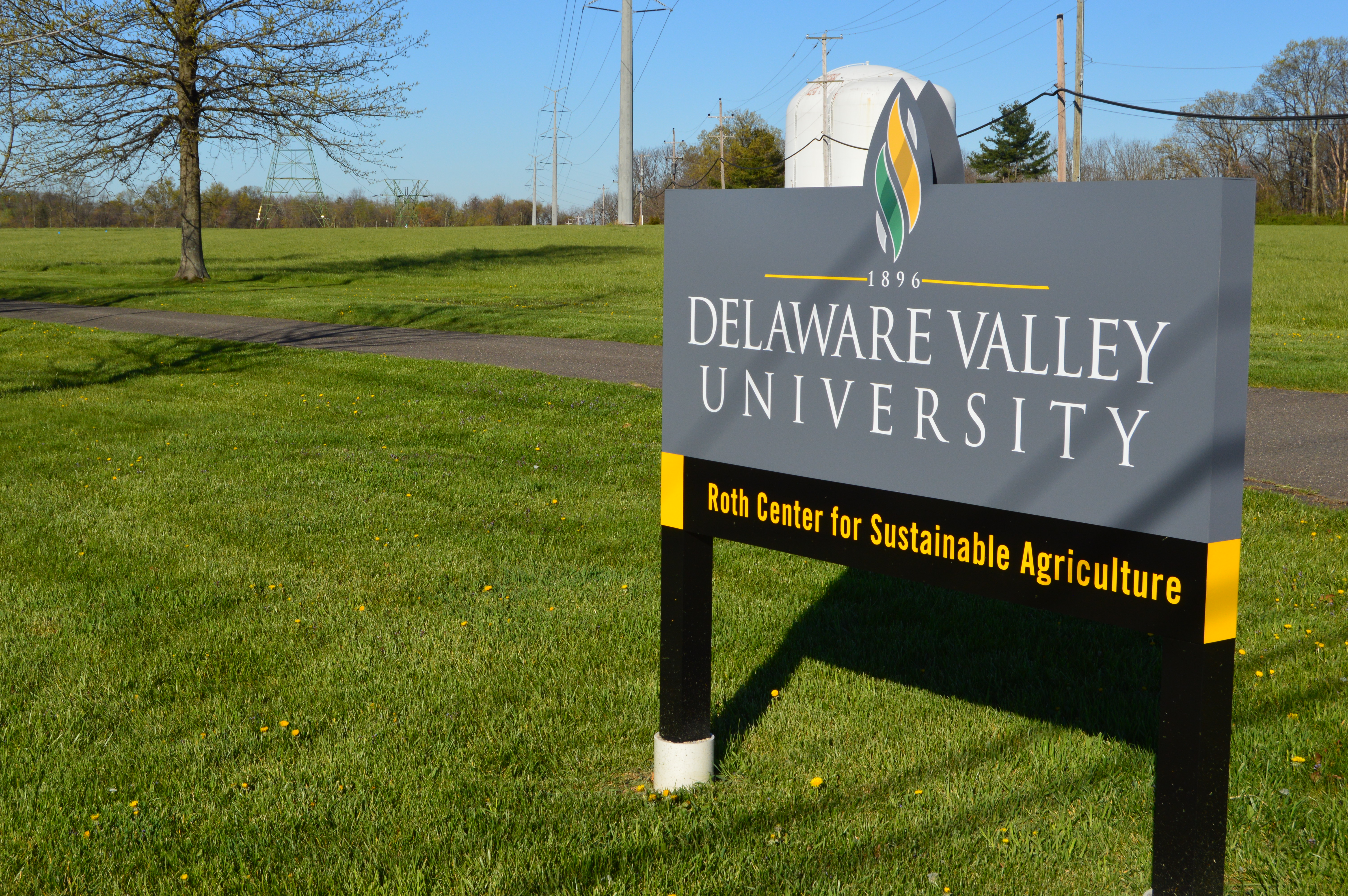
NCAA President Charlie Baker said the bill applies across all three NCAA divisions. That includes Delaware Valley University in Doylestown, which fields 23 intercollegiate sports in the Division III Middle Atlantic Conference. Under the bill, DelVal athletes would gain codified NIL rights and five years of post-eligibility health care benefits, according to the NCAA. The bill also requires one-third student-athlete representation on relevant NCAA governance boards.
Athletes would be limited to one transfer without penalty. A second transfer would trigger a year of ineligibility, with exceptions for cases such as a head coach's departure, sexual assault or harassment, or a sport being discontinued.
Revenue-sharing provisions would allow Division I schools to pay athletes up to roughly $49 million per year across three pools, up from about $21 million under the current House v. NCAA settlement, according to ESPN. That cap does not apply to Division III programs like DelVal.
The bill drew bipartisan support but also opposition. U.S. Sen. Cory Booker, D-N.J., a former Division I football player, argued on the Senate floor that the legislation "shields the NCAA from accountability, and puts the burden of enforcement on athletes themselves." The NAACP on Wednesday, Sept. 30, condemned the bill. NAACP President Derrick Johnson said it protects powerful schools from accountability while stripping student-athletes' ability to collectively bargain.
The bill also gives the NCAA a limited antitrust exemption to enforce eligibility and transfer rules. Power 4 conference membership would be capped at 20 schools, and any school switching Power 4 conferences would face a three-year independent waiting period through 2031.
The legislation now moves to the House, which is on recess until Nov. 9, after the Nov. 3 midterm elections. President Donald Trump has expressed support for the bill. If the House does not act before Jan. 3, 2027, when a new Congress is sworn in, the process would restart from scratch, according to CBS Sports.