A new Pennsylvania House bill would require doctors to report a tick-borne illness that currently goes untracked.
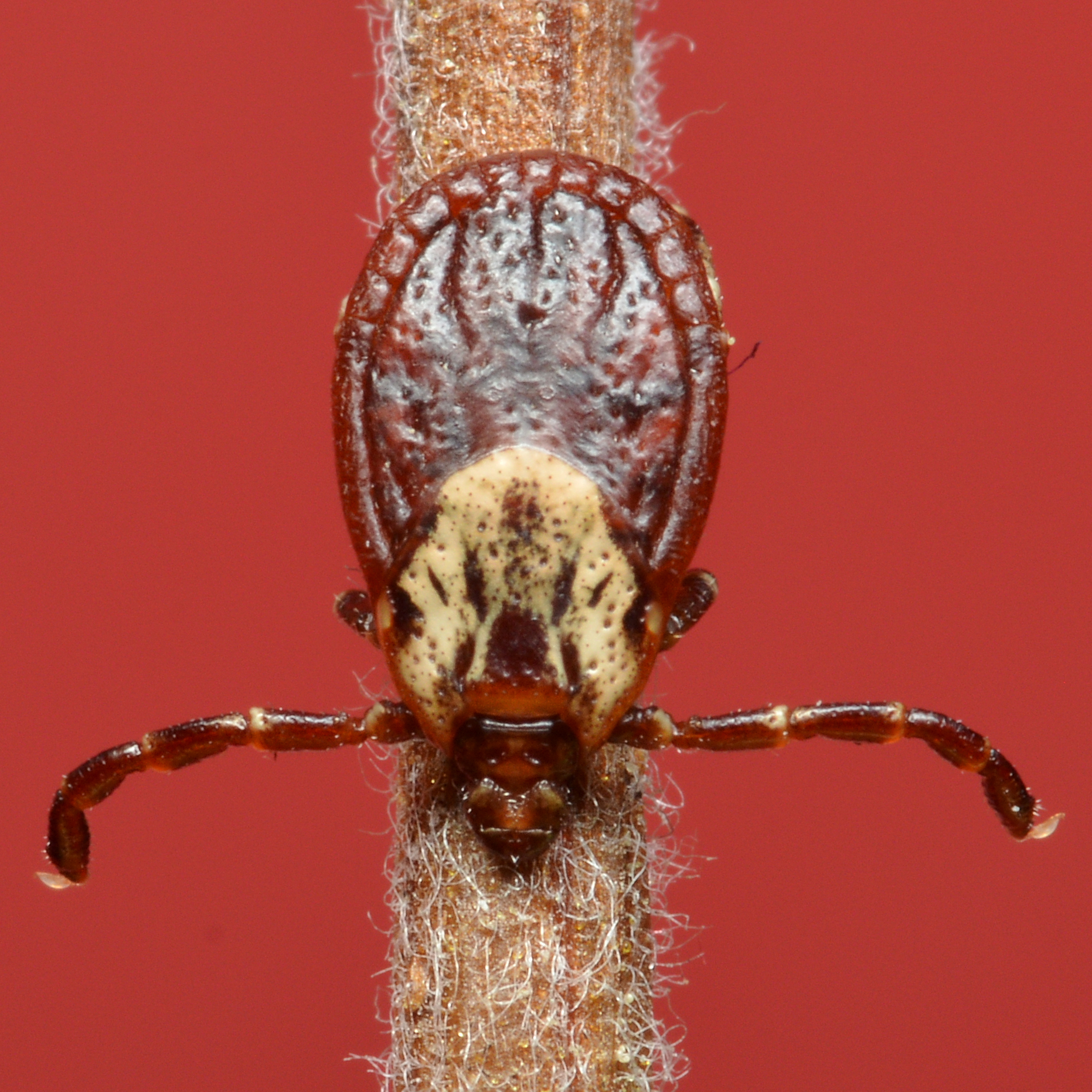
House Bill 2710, introduced by Rep. Catherine Wallen, R-Adams County, targets babesiosis, a rare malaria-like disease spread by deer ticks. The bill would also mandate one hour of continuing education in tick-borne disease diagnosis for medical professionals renewing their licenses.
Wallen, a chronic Lyme disease survivor who represents District 193, said the gap in reporting leaves the true scope of diseases like babesiosis unknown. Pennsylvania reported more than 16,000 Lyme disease cases in 2024, according to the CDC, but only Lyme and anaplasmosis currently require mandatory reporting, Central Bucks News reported.
The state Department of Health has proposed regulations to update reporting requirements. But final rules are not due until 2028, and there is no guarantee babesiosis will be included, according to a co-sponsor memo Wallen circulated for the bill.
Hearing testimony
The Pennsylvania House Republican Policy Committee heard testimony on the issue Thursday, Sept. 3, in Cumberland Township, Adams County. Experts described a problem that reaches well beyond rural trails.
Kaitlyn Good, a data visualization specialist at the Center for Rural Pennsylvania, told the committee that Lyme cases climbed from about 2,300 in 2000 to nearly 19,000 based on preliminary 2025 data. Hotspots include Allegheny County, with 2,628 cases, and the counties surrounding Philadelphia, which have remained consistent high-incidence areas.
Bucks County sits in that ring. As we reported Sept. 8, the county's tick-borne disease risk is tied closely to local ecology. Lone star ticks, which can cause alpha-gal syndrome, a severe red-meat allergy, have been found in Bucks County since 2011, according to the Philadelphia Inquirer.
Nicole Chinnici, director of the Pennsylvania Tick Research Lab at East Stroudsburg University, told the committee her lab has found that up to half of all ticks carry Lyme disease. About 6% of those also carry at least one additional pathogen, such as babesiosis or anaplasmosis.
Children under 10 are the most commonly exposed group, Chinnici said. And 42% of people bitten by ticks were in their own backyards.
"That does bring back the awareness that it's not just going out camping, it's not just in our parks," she said.
What the bill would change
Erika Machtinger, an associate professor of entomology at Penn State University who leads the Penn State Extension Vector-borne Disease Team, told the committee that Pennsylvania has built a strong tick surveillance foundation but needs to act on it. She said the next step is translating that data into prevention.
Beyond babesiosis, other tick-borne illnesses flagged at the hearing as outside current mandatory reporting include Powassan virus and alpha-gal syndrome. Pennsylvania recorded more than 1,000 anaplasmosis cases in 2024, according to CDC data.
The state regularly ranks among the top three states for tick-related illnesses and first for reported Lyme disease cases, according to the Inquirer.
Prevention tips
Tick exposure risk in Pennsylvania is year-round whenever temperatures are above freezing, Chinnici told the committee. She recommended checking for ticks every time you come indoors. Machtinger recommended insect repellent, long pants tucked into socks and light-colored clothing.
Chinnici said removing a tick is simple: pull it off with your fingers or use a fine-point tweezer. No burning required.
The Pennsylvania Tick Research Lab offers free tick testing for state residents, with results returned within 36 hours. Residents can submit ticks through ticklab.org.