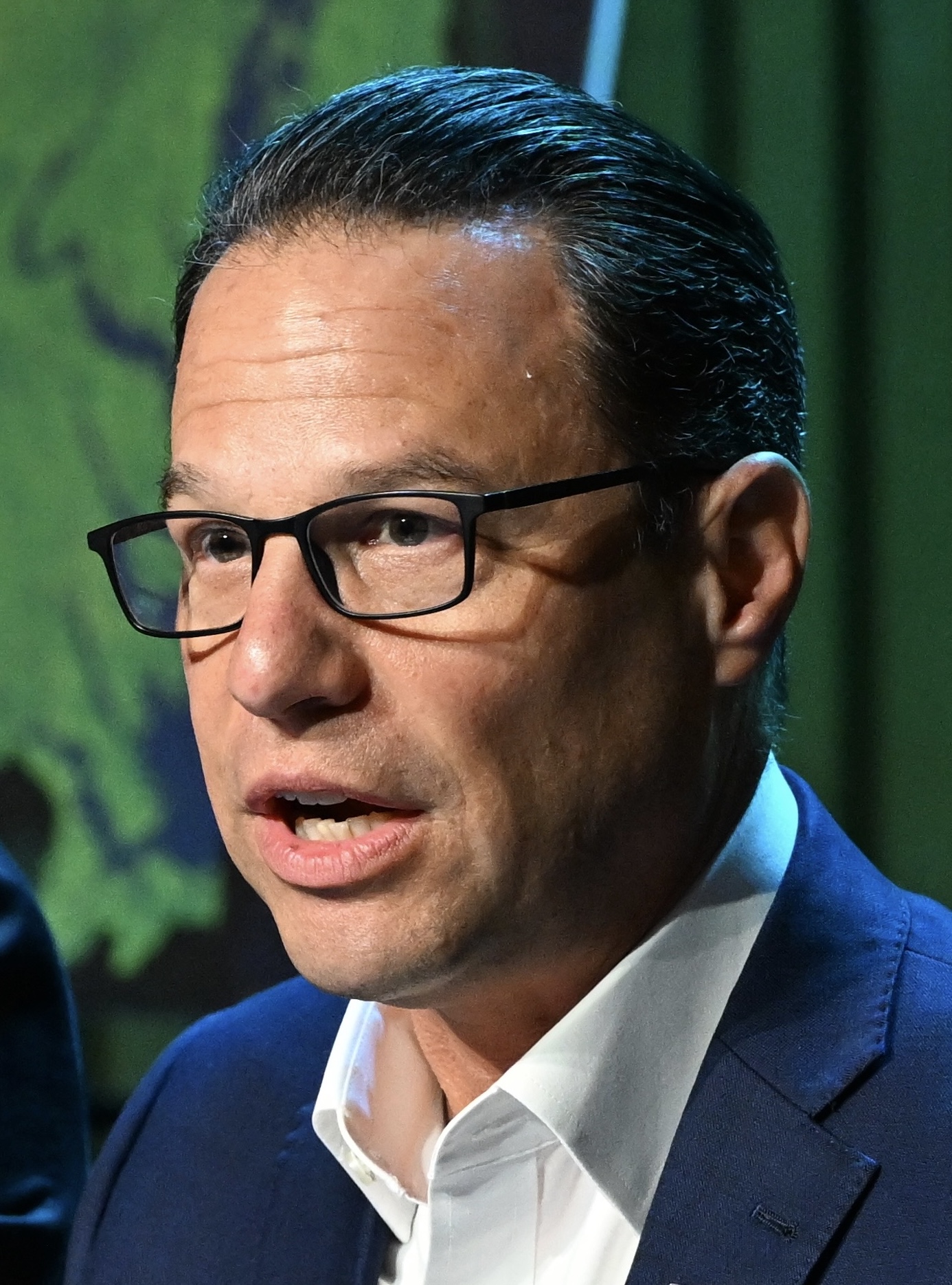
Central Bucks families could become eligible for up to $1,700 per student in federal scholarship money if Gov. Josh Shapiro opts Pennsylvania into a new tax-credit program before a Jan. 1 deadline.
The U.S. Department of the Treasury and Internal Revenue Service released proposed regulations on Sept. 30 for the Education Freedom Tax Credit (EFTC). The program was created under the One Big Beautiful Bill Act, which President Donald Trump signed in July 2025. The credit gives donors to scholarship-granting organizations (SGOs) a dollar-for-dollar tax credit of up to $1,700 per individual or $3,400 for married couples filing jointly.
Shapiro has said he wanted to see the final rules before deciding. His administration has not announced a decision, and The Center Square reported it was unable to reach his office for comment on Sept. 30.
If he opts in, an estimated 1.8 million Pennsylvania students would become eligible. In southeastern Pennsylvania, families earning up to roughly $358,000 would qualify under the program's income ceiling of 300% of area median gross income.
The program mirrors Pennsylvania's existing Educational Improvement Tax Credit (EITC) and Opportunity Scholarship Tax Credit (OSTC) programs. Those programs awarded 101,751 scholarships during the 2023-24 school year, according to a Commonwealth Foundation analysis. Average awards were $2,701 for EITC and $3,186 for OSTC recipients.
Demand already outstrips supply. Of 169,776 scholarship applications submitted statewide in 2023-24, 40% went unfunded because of program caps.
The combined state cap for EITC and OSTC stands at $680 million. Shapiro raised it by more than $200 million during his tenure, according to Spotlight PA. But the 2026-27 budget he signed in July did not include further increases.
The EFTC decision has become a flashpoint in the governor's race. Republican challenger Stacy Garrity has said she would opt Pennsylvania in immediately, according to Spotlight PA's election guide. She has accused Shapiro of holding multiple positions on school choice, including his 2023 veto of a $100 million school voucher program after campaigning in support of educational choice.
Andrew Lewis, CEO and president of the Commonwealth Foundation, a school-choice advocacy group, pressed Shapiro on Sept. 30: "The guidelines are here. The details are final. No more excuses."
National Education Association President Princess Moss countered the same day, saying the federal program would divert taxpayer dollars to subsidize private education instead of strengthening public schools.
Thirty-one states have opted into the EFTC so far, mostly under Republican governors, according to Education Week. If Pennsylvania stays out, donors in the state could still contribute to SGOs in other states and claim the federal credit, but the scholarships would go to students in those states, not Pennsylvania children, according to Broad and Liberty.
Eligible expenses under the EFTC include private school tuition, tutoring, after-school programs and other supplementary costs. States that opt in must finalize their SGO rosters by Feb. 15, 2027.